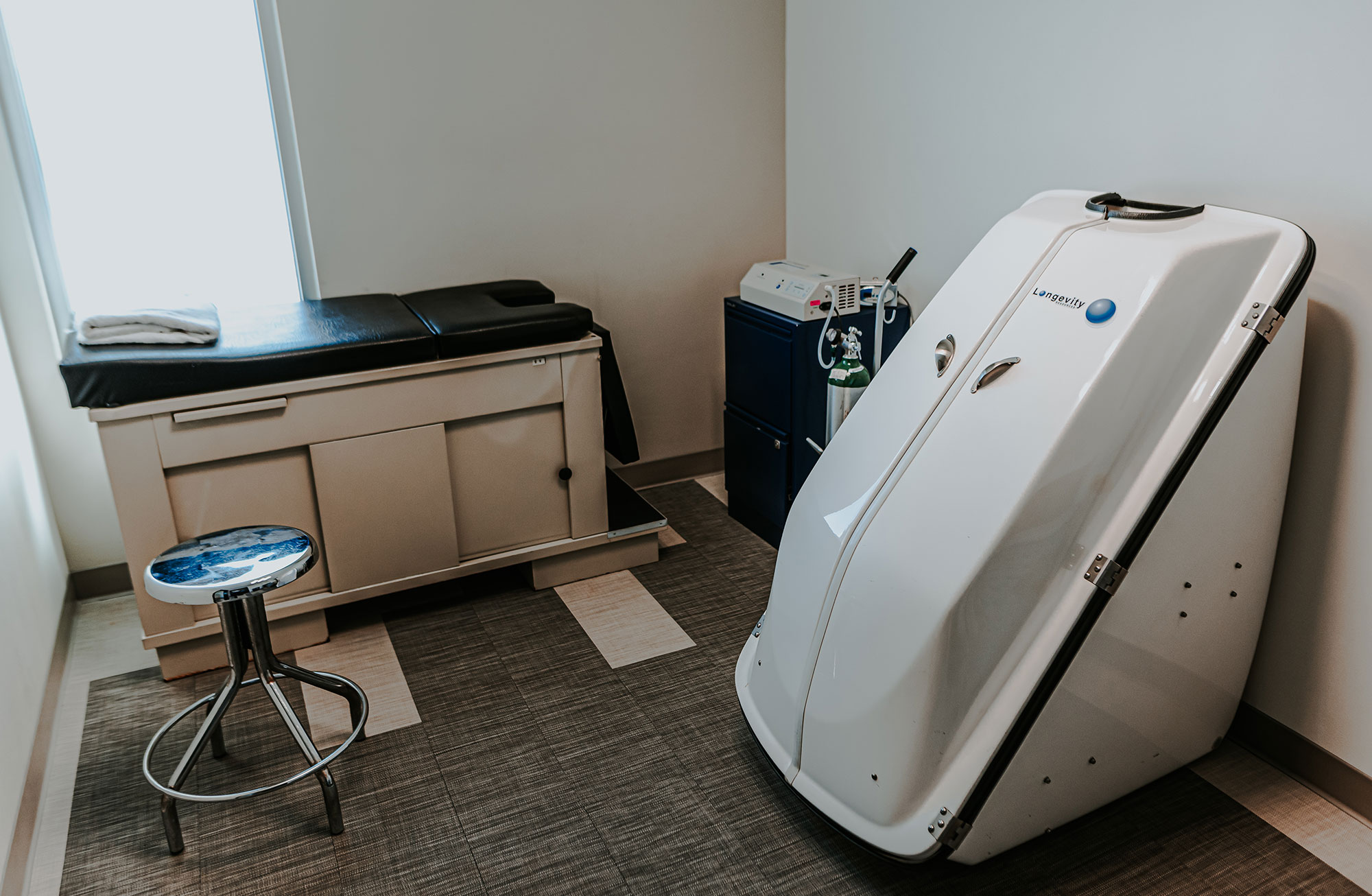
Fever is one of the body's oldest defense tools. When you get sick, your temperature rises to help your immune system fight back. Whole-body hyperthermia uses that same idea in a controlled medical setting, raising body temperature to make cancer cells more vulnerable and help other treatments work better.
At Immunotherapy Institute, whole-body hyperthermia is one of the supportive therapies we combine with immune-based and targeted treatments. In this guide, we explain what it is, how it works, what research shows and what patients can expect during a session.
What Is Hyperthermia?
Hyperthermia is a treatment that heats body tissue to temperatures higher than normal. According to the National Cancer Institute, there are three main types:
- Local hyperthermia: heat is applied to a small area, such as a tumor.
- Regional hyperthermia: heat is applied to a larger area, such as an organ, a limb or a body cavity. Some regional methods, called perfusion, heat blood or fluid and circulate it through one area.
- Whole-body hyperthermia: the temperature of the entire body is raised, which is used for cancer that has spread.
Whole-body hyperthermia is also called systemic hyperthermia, because it affects the whole system rather than one area.
How Whole-Body Hyperthermia Works
Heat Makes Cancer Cells More Vulnerable
Many tumors have disorganized blood vessels and a harder time releasing heat than healthy tissue. When body temperature rises, cancer cells can become more fragile and more sensitive to other treatments.
It Mimics a Natural Fever
A controlled rise in temperature can mimic the body's fever response. This may help the immune system become more active and better able to recognize abnormal cells.
It Supports Other Treatments
Heat increases blood flow, which may help medicines reach tumors more effectively. The NCI notes that hyperthermia is almost always used together with other treatments, such as chemotherapy or radiation, rather than on its own.
What Research Shows
The NCI reports that many clinical trials have shown that hyperthermia, combined with radiation or chemotherapy, can help shrink tumors. Researchers are still studying whether it helps people live longer, and trials continue to refine how it is delivered for different cancers.
Studies have looked at hyperthermia in breast, cervical, colorectal, lung, head and neck and other cancers. Results vary by cancer type and by the treatments it is combined with. We share this openly with every patient: hyperthermia is a supportive therapy that can strengthen a treatment plan, not a stand-alone cure.
The Method We Use
At our clinic, we use Heckel whole-body hyperthermia. This method uses water-filtered infrared-A light, a gentle form of heat that penetrates below the skin. The bloodstream then carries the warmth through the body, creating a gradual, controlled rise in core temperature.
Key features of our approach:
- No sedation needed: patients stay awake and comfortable during the session.
- Continuous monitoring: body temperature and vital signs are tracked from start to finish.
- Personalized intensity: our team adjusts the treatment to each patient's condition and tolerance.
How Hyperthermia Fits Into Your Plan
Our treatment approach is built on three pillars: autologous immunotherapy, targeted therapy and supportive therapies. Whole-body hyperthermia is part of the third pillar, and it is designed to work alongside the other two:
- Autologous immunotherapy: we use your own NK cells, T cells and dendritic cells, multiplied and trained to recognize your tumor. Heat may help create a better environment for these cells to act.
- Targeted therapy: improved blood flow may help targeted agents reach cancer cells.
- Other supportive therapies: cellular nutrition and detoxification help your body handle treatment.
To understand how these options compare with traditional care, read our guide to immunotherapy vs chemotherapy.
What to Expect During a Session
- Evaluation: before treatment, our integrative assessment reviews your health, heart function and lab results to confirm hyperthermia is safe for you.
- Preparation: you rest comfortably, and our team checks your vital signs and hydration.
- Warming phase: infrared heat gradually raises your body temperature.
- Treatment phase: your temperature is held in the target range while our team monitors you closely.
- Cool-down: your temperature returns to normal slowly, and you rest and rehydrate.
Most patients feel tired after a session, similar to how you feel after a fever. Our team gives you clear instructions for rest, fluids and nutrition.
Is It Safe?
Like any medical treatment, hyperthermia has possible side effects. According to the NCI, whole-body hyperthermia can cause diarrhea, nausea and vomiting, and less commonly, more serious heart and blood vessel problems. Uneven heating can cause skin discomfort.
That is why careful screening and medical supervision are essential. We evaluate every patient before treatment, and some people, such as those with certain heart conditions, may not be good candidates. If hyperthermia is not right for you, we will tell you and focus on other options.
Who May Benefit
Whole-body hyperthermia may be considered for patients with:
- Cancer that has spread or is difficult to treat locally.
- Cancers such as prostate and breast cancer, as part of a combined plan.
- A treatment plan that includes immunotherapy or targeted therapy.
- Enough overall strength to tolerate the treatment safely.
We also use hyperthermia in our Lyme disease treatment program. Learn more in our article on immunotherapy for Lyme disease.
Why Hyperthermia Is Hard to Find in the US
The NCI notes that hyperthermia requires special equipment and expertise, and only a small number of US centers offer it. Our clinic in Tijuana, about 20 minutes from San Diego, offers it as part of an integrated program, often starting within two weeks of your first consultation. Read more about what to expect when traveling to Mexico for treatment.
Caring for Yourself Between Sessions
Recovery between sessions matters. Drink plenty of fluids, eat light, nourishing meals and rest as much as you need. Gentle walks can help you feel more energized. Let our team know about any new symptoms, such as dizziness, unusual fatigue or skin irritation, so we can adjust your plan quickly.
Frequently Asked Questions
Does whole-body hyperthermia hurt?
Most patients describe it as feeling very warm, similar to a strong fever. Our team keeps you as comfortable as possible and adjusts the treatment if needed.
Do I need anesthesia?
No. The method we use does not require sedation.
Can hyperthermia replace chemotherapy or immunotherapy?
No. Hyperthermia works best as part of a combined plan. It supports other treatments rather than replacing them.
How many sessions will I need?
It depends on your diagnosis and treatment plan. Our team will explain your schedule during your case review.
What is the difference between Heckel infrared hyperthermia and perfusion hyperthermia?
Both raise body temperature. Perfusion methods heat blood outside the body and return it, while the infrared method we use warms the body from the outside without removing blood.
Explore Whether Hyperthermia Is Right for You
Whole-body hyperthermia can be a valuable part of a personalized cancer plan. Our team will review your case and explain whether it fits your treatment.
Request your free case review, call us at (619) 832-2230, or message us on WhatsApp. We respond within 24 hours.
This article is for educational purposes and does not replace medical advice. Treatment outcomes vary from patient to patient.