
— INTEGRATIVE ONCOLOGY & IMMUNOTHERAPY center
Comprehensive Lyme Disease Treatment for Chronic and Complex Cases


Personalized Care for Complex, Chronic Lyme Cases
Lyme disease can be difficult to diagnose and even harder to treat, especially when symptoms become chronic or resistant to conventional therapies. At the Immunotherapy Institute, we take a comprehensive, patient-centered approach that goes beyond symptom management.
Our team evaluates your full health history, immune function, and underlying imbalances to develop a personalized treatment plan designed to address the root causes of Lyme disease. By combining advanced therapies with immune system support and integrative care, we help patients regain control of their health and improve their quality of life.
- Root-Cause Focus: We go beyond symptom relief to identify and address the underlying factors driving chronic Lyme disease
- Personalized Treatment Plans: Every protocol is tailored to your symptoms, history, and immune response
- Integrative, Whole-Body Care: Combining advanced therapies with immune support, detoxification, and overall wellness strategies
Our Pillars
Immune Regulation
Blood Environment Reset
Thermal Pathogen Targeting
Root Cause Diagnostics
Personalized Protocols
Whole-Person Care
Why Traditional Lyme Treatments Often Fall Short
While conventional treatments for Lyme disease can be effective in early stages, many patients continue to experience persistent symptoms even after completing standard antibiotic therapy. This is often because chronic Lyme disease is more complex than a single infection, it can involve immune dysfunction, inflammation, and other underlying imbalances that are not fully addressed by traditional approaches.
As a result, patients may feel stuck in a cycle of temporary relief without long-term improvement. Without a comprehensive strategy that supports the immune system and addresses the root causes of symptoms, true recovery can remain out of reach.
- Symptom-Focused Treatment: Conventional care often targets the infection but may not address underlying immune dysfunction or chronic inflammation
- Persistent Symptoms: Many patients continue to experience fatigue, pain, and neurological issues even after treatment
- Limited Personalization: Standard protocols may not account for individual differences in health history, co-infections, or immune response
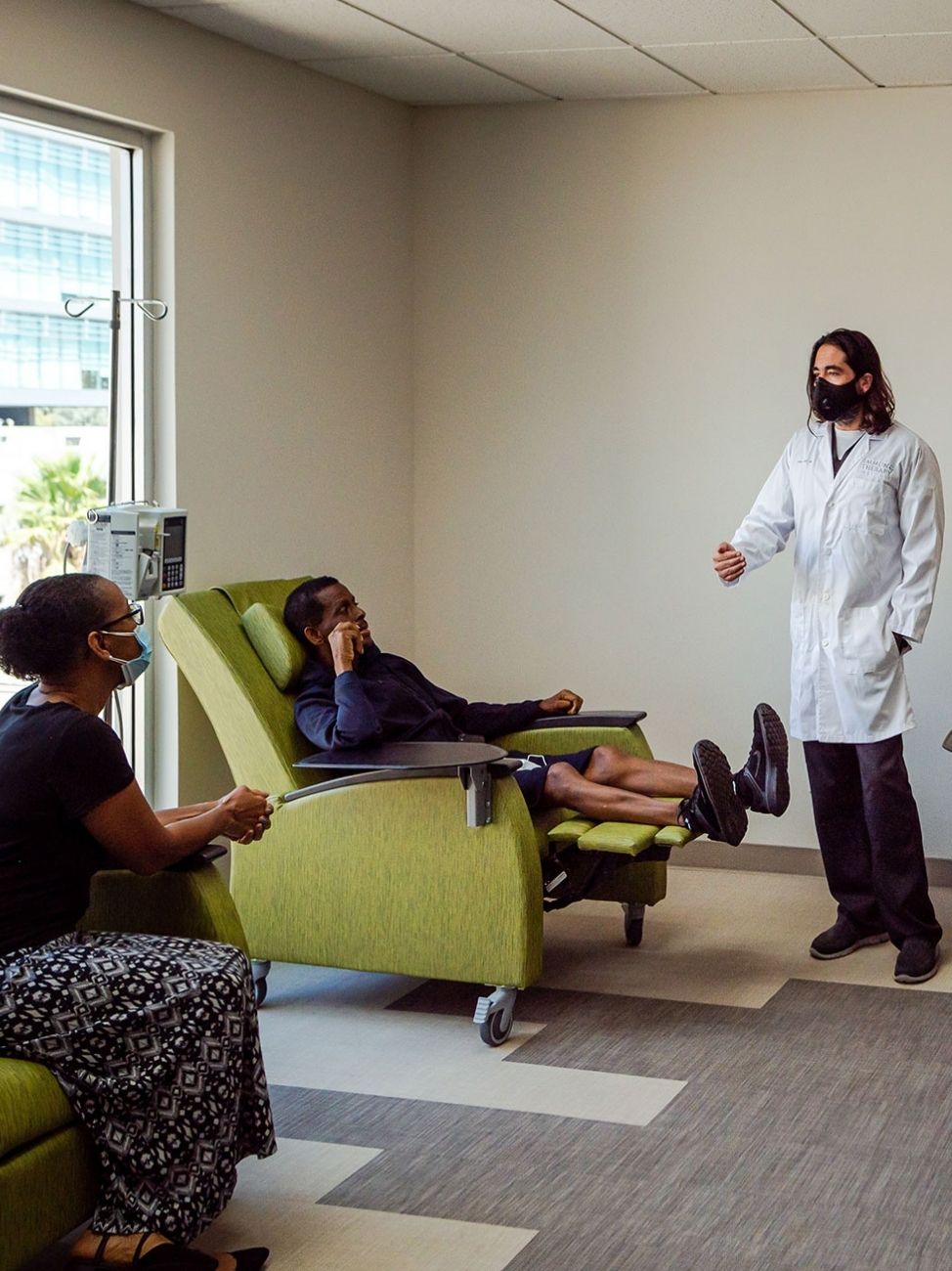
Chronic Lyme disease treatment programs in Tijuana
A prepared immune system responds differently than an unprepared one, and sequencing matters as much as the therapies themselves.
T-Regulatory Cell Therapy for Lyme Disease
In chronic Lyme disease, the central problem is rarely a weak immune system. It is a misguided one. This is where recalibration begins.
Includes:
- 3 autologous T-Regulatory Cell therapy applications
- Daily functional medicine physician consultations
- Epigenetic testing and personalized protocol development
- Clinical nutritionist consultation
Therapeutic Apheresis + IV Therapy + Treg for Lyme
Apheresis clears the inflammatory environment first. IV therapy rebuilds the cellular foundation. Treg therapy then restores immune governance into a body that has been prepared to receive it.
Includes:
- Therapeutic Apheresis: blood filtration and immune environment reset
- Targeted IV Therapy protocols (Glutathione, Vitamin C, and others per epigenetic profile)
- T-Regulatory Cell Therapy
- Epigenetic testing and personalization
- Daily physician monitoring
Full Chronic Lyme Protocol + Systemic Perfusion Hyperthermia
Applied to a prepared immune system, hyperthermia achieves outcomes it cannot on an unprepared one.
Questions before you decide
I completed antibiotic treatment for Lyme disease, but I'm still sick. Can you help?
Yes, this is the situation most of our patients arrive in. Post-Treatment Lyme Disease Syndrome (PTLDS) occurs when symptoms persist for months or years after standard antibiotic therapy has been completed. Research suggests 10–20% of treated Lyme patients experience this. The infection may be gone, but a cascade of immune dysregulation, chronic inflammation, and cellular damage often continues independently. Our programs are specifically designed for patients who have already been treated conventionally and are still experiencing fatigue, brain fog, pain, or neurological symptoms, and who have not found resolution through standard approaches.
What is T-Regulatory Cell therapy, and how does it work for Lyme disease?
T-Regulatory cells act as the immune system's governing layer, preventing the inflammatory response from becoming excessive or misdirected. In chronic Lyme, the FOXP3 gene that controls Treg identity destabilizes, leaving the immune system without an effective regulator. Our autologous Treg therapy collects your own cells, stabilizes the FOXP3 function, stress-tests the engineered cells under conditions replicating chronic inflammation, and reinfuses only those that maintain regulatory function, restoring immune balance at the source.
How does Systemic Perfusion Hyperthermia target Lyme disease?
Borrelia burgdorferi and several Lyme co-infections are highly sensitive to elevated temperature. Systemic Perfusion Hyperthermia raises core body temperature to 41–42°C in a hospital setting with continuous physiologic monitoring, simulating a medically controlled fever response. This destabilizes pathogen biofilms, makes dormant organisms more vulnerable, and amplifies immune activity. It differs fundamentally from saunas or external heat: core body temperature is raised systemically, with defined timing, IV management, and full clinical supervision throughout.
What does Therapeutic Apheresis remove, and why does it help with chronic Lyme?
Apheresis is a blood filtration procedure that removes inflammatory cytokines, circulating immune complexes, environmental toxins, heavy metals, and pathogen fragments from the bloodstream. In chronic Lyme disease, this accumulated burden keeps the immune system in a state of persistent activation, even when the infection has been addressed. Clearing this environment may reduce symptom burden and create better conditions for immune regulation therapies to work.
Who may be a candidate for these Lyme disease programs in Tijuana?
These programs are designed for patients with chronic Lyme disease and co-infections, such as Babesia and Bartonella, who continue to experience persistent inflammation, symptom flares, or incomplete recovery after antibiotic therapy or other protocols. Many of our patients have been through multiple treatments without full resolution. To find out whether you may qualify, complete our short intake questionnaire and our case manager will personally review your history.